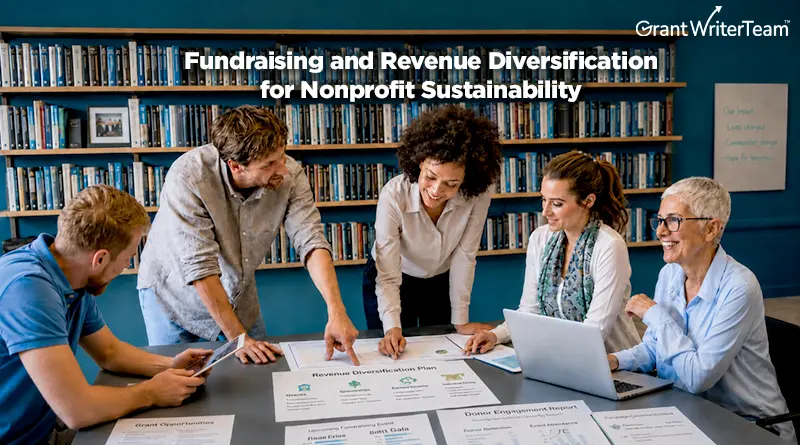
Nonprofit sustainability depends on more than passion and purpose. For nonprofits, long-term success requires reliable funding, careful planning, and the ability to adapt when economic conditions change. While grants remain an important source of support, relying on a single funding stream can create risks that affect programs, staffing, and community impact.
As your organization plans for the future, it is important to build multiple sources of income that support nonprofit sustainability throughout changing funding cycles. This is where strategic fundraising and revenue diversification become essential. Many nonprofits also turn to GrantWriterTeam to connect with experienced grant writers who can help identify funding opportunities, strengthen proposals, and support broader fundraising goals.
Why Revenue Diversification Matters
Many nonprofits depend heavily on grants, donations, or government funding. However, changes in priorities, budgets, or economic conditions can quickly affect these revenue sources. Diversification helps reduce financial vulnerability by spreading income across multiple channels.
When one funding source decreases, others can help maintain operations. As a result, nonprofits gain greater financial stability and flexibility. They can continue serving their communities while pursuing new opportunities for growth.
Some common revenue streams include:
- Individual donations
- Corporate sponsorships
- Foundation grants
- Government grants
- Membership programs
- Fundraising events
- Planned giving
- Fee-for-service programs
- Product sales
- Online fundraising campaigns
The strongest organizations often combine several of these funding sources rather than depending on one alone.
Building a Sustainable Fundraising Strategy
A successful fundraising strategy starts with understanding your organization’s strengths and supporters. First, evaluate your current funding sources. Then identify areas where revenue concentration creates potential risk.
Next, establish realistic fundraising goals. These goals should align with your mission, budget, and organizational capacity. Tracking performance throughout the year helps determine which strategies produce the best results.
Donor retention should also be a priority. Acquiring new donors often costs more than keeping existing supporters engaged. Regular communication, impact reporting, and meaningful stewardship can strengthen long-term relationships.
In addition, nonprofits should invest in systems that improve fundraising efficiency. Donor management software, grant tracking tools, and fundraising calendars can help teams stay organized and responsive.
How Revenue Diversification Supports Nonprofit Sustainability
When nonprofits create multiple income streams, they build resilience against uncertainty. A diversified funding model allows organizations to respond more effectively to economic downturns, funding cuts, and changing donor behavior.
For example, if grant funding becomes limited during a particular year, recurring donations, membership revenue, or earned income programs may help fill the gap. This balance creates greater financial security while supporting ongoing program delivery.
Diversification also encourages innovation. Organizations often discover new ways to engage supporters, expand services, and strengthen community partnerships when they explore additional revenue opportunities.
Expanding Grant Funding Opportunities
Grants remain an important part of most nonprofit funding strategies. However, successful organizations view grants as one component of a broader financial plan.
To maximize grant revenue, nonprofits should:
- Research opportunities that align with their mission
- Maintain an updated grants calendar
- Build relationships with funders
- Track application deadlines carefully
- Collect data that demonstrates program impact
- Develop strong reporting practices
Working with professional grant writers can also improve efficiency and increase the quality of grant submissions. Access to experienced grant professionals can help organizations identify opportunities they might otherwise miss.
The Bottom Line
By combining strong fundraising practices with diversified revenue streams, nonprofits can strengthen financial stability and prepare for future challenges. When organizations take a proactive approach to funding, they create a stronger foundation that supports nonprofit sustainability for years to come.
About GrantWriterTeam
Are you a nonprofit or small business in need of some help? If you are searching for grants but are feeling overwhelmed, hiring a grant writer may be the perfect choice! Grant writers thoughtfully grant opportunities and consider the pros and cons of applying and the chance of success. Consider your writer an extension of your organization. Your grant-seeking success is our priority at GrantWriterTeam.
Disclaimer: There is no guarantee that grants will be awarded as a result of this information.