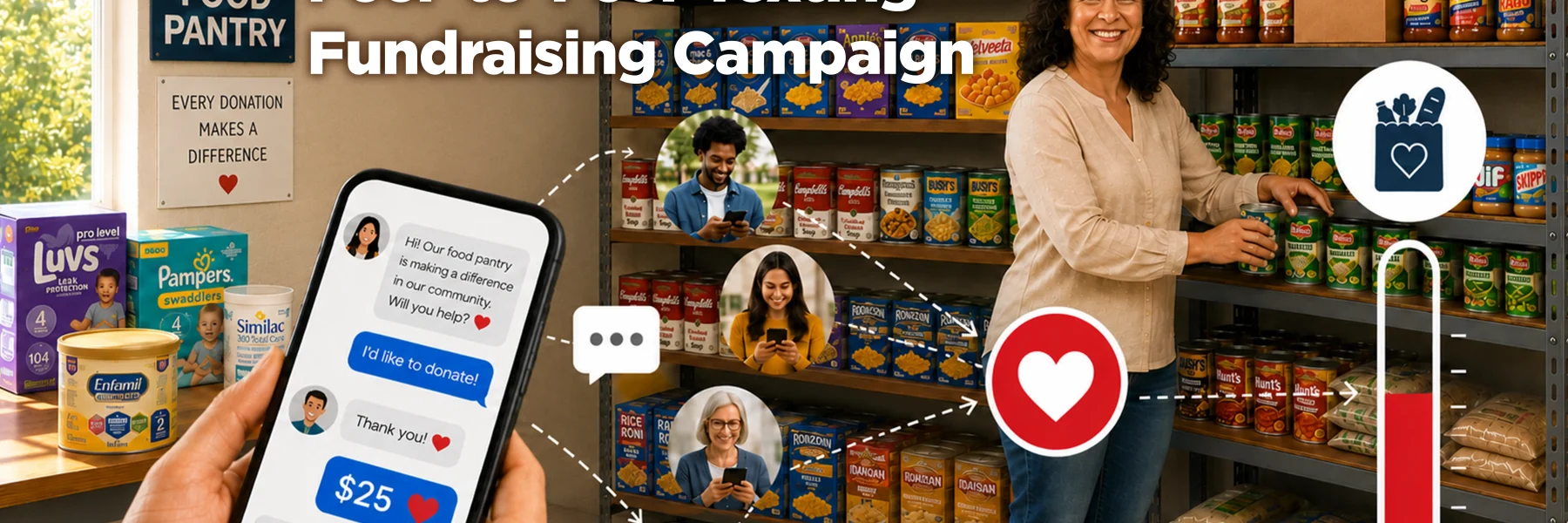
Peer-to-Peer Texting is rapidly reshaping how nonprofits connect with supporters, turning simple messages into meaningful, real-time conversations that can drive donations, engagement, and long-term loyalty. For organizations looking to modernize their fundraising toolkit, this approach offers a powerful blend of scale and personalization.
At its core, peer-to-peer texting transforms communication into a two-way street where donors are not just recipients of appeals but active participants in a dialogue. This shift matters more than ever in a digital-first world where attention is fragmented and authenticity drives action.
GrantWriterTeam supports nonprofits by connecting them with professional grant writers, strategic resources, and a collaborative community that helps align fundraising campaigns with broader funding goals and grant opportunities. Read on to find out more about peer-to-peer texting.
What Is Peer-to-Peer Texting in Fundraising?
Peer-to-peer texting is a communication method where organizations send messages that allow for direct, human-to-human interaction at scale. Instead of one-way broadcasts, staff or volunteers can engage donors individually through SMS platforms, responding in real time and guiding conversations naturally.
In fundraising, this approach bridges the gap between mass outreach and personal connection. Unlike email campaigns that can feel distant, texting creates immediacy and familiarity, two ingredients that often lead to higher engagement rates and faster response times.
Why Peer-to-Peer Texting Works for Modern Fundraising
The effectiveness of peer-to-peer texting comes from its alignment with how people actually communicate today: quickly, directly, and on mobile devices.
A few key advantages include:
- Exceptional reach: Most adults carry smartphones, making SMS one of the most accessible channels.
- High visibility: Text messages are opened almost instantly, often within minutes.
- Personal tone: Conversations feel direct, not automated.
- Scalable engagement: Teams can manage thousands of donor conversations without losing the human touch.
This combination allows nonprofits to move beyond traditional fundraising cycles and into continuous relationship-building with supporters.
Why Peer-to-Peer Texting Campaigns Convert Supporters
The success of peer-to-peer texting in fundraising is not just about convenience. It’s about psychology. Donors are more likely to respond when they feel seen, heard, and valued in a conversation rather than targeted by a generic appeal.
Nonprofits that adopt this strategy often see stronger results when they:
- Maintain clean, updated donor data for accurate outreach
- Balance fundraising asks with stewardship and updates
- Treat texting as a relationship tool, not just a donation channel
- Test messaging strategies across different donor segments
This approach builds trust over time, which is essential for recurring giving and long-term donor retention.
Peer-to-Peer Texting Strategy Essentials for Nonprofits
A strong peer-to-peer texting strategy relies on intentional planning rather than volume alone. Success comes from structure, testing, and continuous refinement.
1. Start with reliable donor data
Accurate mobile numbers determine whether your messages even reach the right audience. Clean data is the foundation of effective outreach.
2. Avoid over-solicitation
If every message is a donation request, engagement drops quickly. Mixing updates, gratitude, and storytelling keeps audiences connected.
3. Test assumptions continuously
Donor behavior often defies expectations. Testing different messages, audiences, and timing reveals what truly resonates.
Integrating Peer-to-Peer Texting with Grant and Fundraising Strategy
Texting campaigns become even more powerful when aligned with broader funding efforts, including grants and institutional fundraising. When nonprofits coordinate messaging across channels, they create a more cohesive donor experience that reinforces their mission at every touchpoint.
This is where platforms like GrantWriterTeam can play a strategic role, helping organizations align storytelling in funding applications and outreach efforts so that every communication supports the same long-term goals.
Imagine, for a moment, that you work for a nonprofit that addresses hunger. The following is a real-world example of peer-to-peer texting.
- Initial Contact: Hi Sarah! This is Jessica with Helping Hands Community Center. We’re reaching out to supporters who care about providing meals for local families. Would you be interested in making a small donation to help us reach our summer goal? Every gift makes a difference. 💙
- Follow up text for nonresponse: Hi Sarah, just checking back in regarding our summer meal campaign. We’re still working toward our goal and would love your support if you’re able. Let me know if you have any questions. Thank you!
- Follow up text for positive response: That’s wonderful! Thank you for your support. You can make your donation here: [link]. Your generosity will help provide meals to families in our community. 💙
Conclusion: The Future of Donor Connection
In a crowded digital landscape, nonprofits need tools that feel human, immediate, and effective. peer-to-peer texting offers exactly that: a way to meet supporters where they already are while building deeper, more responsive relationships.
When used strategically, it becomes more than a campaign tactic; it becomes a core part of a modern fundraising ecosystem that strengthens engagement, improves retention, and supports sustainable growth.
About GrantWriterTeam
Are you a nonprofit or small business in need of support? If you’re searching for grants but feeling overwhelmed by the process, hiring a grant writer may be the right solution. Grant writers carefully evaluate funding opportunities, weigh the pros and cons of applying, and assess the likelihood of success. Think of your grant writer as an extension of your organization, working alongside you to strengthen your funding strategy. At GrantWriterTeam, your grant-seeking success is our priority.
Disclaimer: There is no guarantee that grants will be awarded as a result of this information.